
The Tasto journal · 14 March 2026 · 2 min read
Cutting without caving
Meals that hit on flavour and volume while keeping the calorie ledger honest: useful when the number on the scale keeps moving.
Every cutting phase runs into the same point: the part of the afternoon when the adherence math goes sideways. The meal you planned looks small. The snack drawer looks tactical.
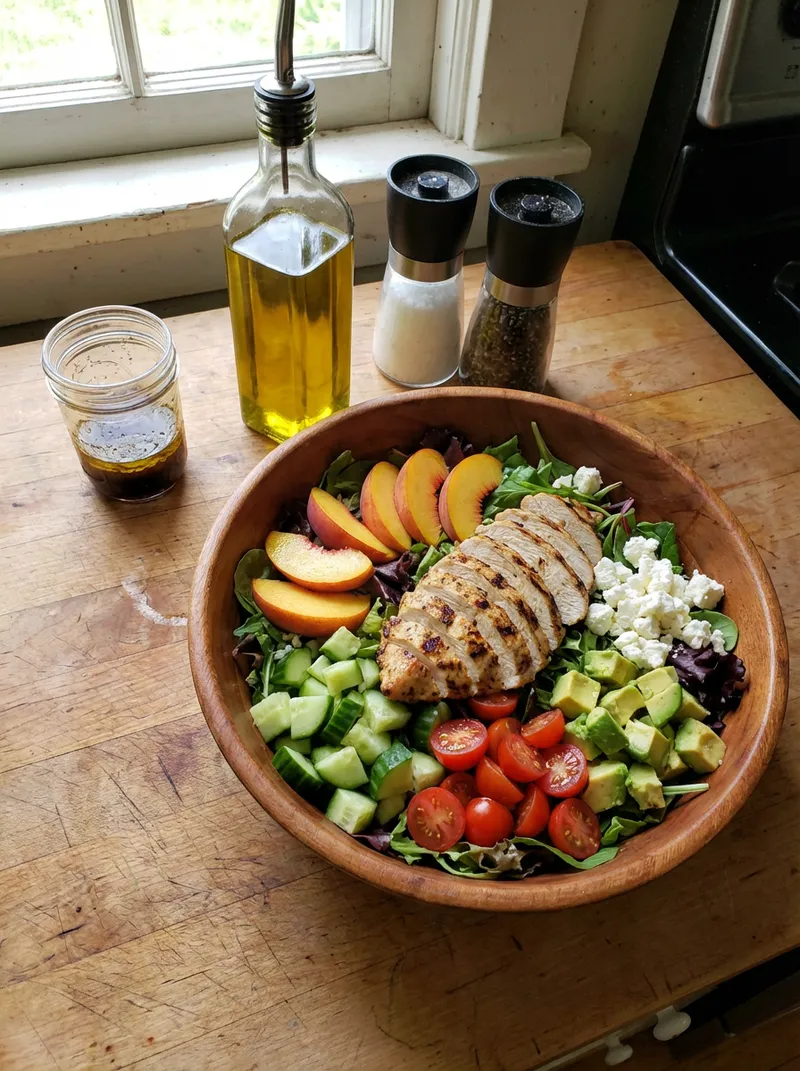
The fix isn't willpower: it's volume. A plate that takes fifteen minutes to eat is harder to abandon than a bowl you can clear in four. Salads win here, but only if they have real protein and a sauce worth building around. A bowl of leaves with grilled chicken on top is not the answer; it's the reason most cutting attempts collapse.
The two levers that matter on a cut: protein and fibre. Protein keeps you full and protects muscle while you're in a deficit; fibre slows the meal down and keeps the gut working. Aim for sixty grams of one and ten grams of the other and most "cutting hunger" stops being your main personality trait.
Acid is the secret weapon for low-cal cooking. When you can't lean on fat, you lean on lemon, vinegar, sumac, harissa, fish sauce, anything that wakes the plate up. A flat-tasting cutting meal is a meal you'll cheat on by ten p.m.; a sharp one isn't.
We cap these under six-hundred-and-fifty kilocalories per serving, and most clear sixty grams of protein. That's enough to stop feeling like a punishment and start feeling like a meal. The smaller cooked proteins (shrimp, white fish, lean chicken breast) are doing a lot of the heavy lifting; the salads are sized to need a bowl, not a plate.
A note on weighing: do it once a week, on the same day, and stop looking the rest of the time. The day-to-day fluctuations are noise, and reading them as signal is how a cut becomes a daily mood swing.